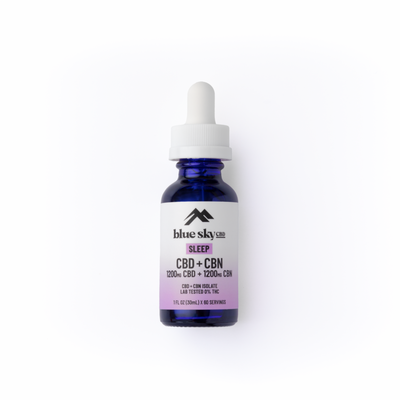
What is Insomnia?
Insomnia is a common sleep disorder marked by persistent trouble falling asleep, staying asleep, or waking too early—despite adequate opportunity for sleep—with daytime impairment (fatigue, cognitive fog, irritability, reduced performance). When symptoms occur ≥3 nights/week for ≥3 months, it qualifies as chronic insomnia disorder. Causes are multifactorial: conditioned arousal, stress and anxiety, pain, medications/caffeine/alcohol, circadian disruption, comorbid conditions (e.g., depression, sleep apnea), and maladaptive sleep habits. First-line treatment is cognitive behavioral therapy for insomnia (CBT-I); short-term pharmacotherapy may be used when needed. Against this backdrop, many people ask whether cannabidiol (CBD)—a non-intoxicating cannabinoid—can help insomnia by calming pre-sleep hyperarousal, reducing nighttime awakenings, or improving overall sleep quality.
What the research says: Evidence for CBD & insomnia
Meta-analyses & reviews
2023 systematic review focused on CBD for insomnia (34 studies): Most studies reported sleep improvement in at least some participants, but few enrolled patients with diagnosed insomnia , methods were heterogeneous, and objective sleep measures were uncommon. Conclusion: promising but insufficient evidence; higher-quality RCTs needed.
2024 narrative review (Curr Psychiatry Rep): 21 recent cannabinoid sleep studies identified; trend toward more objective measures, but the evidence base still lags clinical use . Emphasizes need for larger, longer RCTs specifically in insomnia.
2020 Sleep Medicine Reviews (preclinical + clinical): For sleep disorders broadly (including insomnia), data were insufficient for routine clinical use at that time; called for rigorous trials.
Clinical / human trials
- 150 mg CBD nightly for 2 weeks was similar to placebo on most outcomes (insomnia severity, self-reported sleep latency/efficiency/WASO). Exploratory signals: higher well-being throughout and better actigraphy sleep efficiency at week 2 — CBD-only, primary insomnia. | Double-blind RCT · 150 mg · Nightly · 2 weeks
- In patients with anxiety/sleep complaints receiving CBD adjunctively, 66% reported improved sleep in the first month , but effects fluctuated over time. Retrospective, uncontrolled — real-world psychiatric clinic. | Case series
- Cannabinoid combination (THC:CBD:CBN sublingual extract, ZTL-101) in chronic insomnia, 2-week crossover RCT (N=23 completers): Improved Insomnia Severity Index , diary and actigraphy outcomes versus placebo; contains THC/CBN , so results do not isolate CBD . | Crossover RCT · Sublingual
- In small trials including “insomniacs,” 160 mg CBD increased sleep duration subjectively vs placebo; methodology predates modern standards — older data. | 160 mg
Dose-response & dosing
Studied insomnia doses cluster around 150–160 mg nightly taken ~60 minutes pre-bed. In the 2024 RCT, 150 mg/night showed limited benefit vs placebo overall, with a small objective efficiency signal at week 2. Lower over-the-counter doses (<100 mg) lack robust insomnia data .
Combination products with THC ± CBN have shown stronger sleep effects in short-term trials, but these are not CBD-only and carry intoxication/next-day risks.
Proposed mechanisms
How might CBD influence sleep? Likely indirect, context-dependent effects rather than classic hypnotic action:
Anxiolysis and anti-hyperarousal: CBD modulates 5-HT1A and other targets, which may reduce pre-sleep anxiety and improve perceived sleep. Reviews also note endocannabinoid system involvement in sleep regulation.
Pain and inflammation pathways: By reducing pain/discomfort in some contexts, CBD may secondarily improve sleep continuity . (General CBD efficacy remains condition-specific.) Review context
Sleep architecture/alerting effects: Experimental work in healthy volunteers suggests no major acute disruption of normal sleep at certain doses, while historical reports described somnolence at higher doses—highlighting dose and population differences .
Safety, tolerability, and side effects
Across reviews/trials, CBD is generally well tolerated ; common AEs include somnolence, fatigue, GI upset, appetite changes . Serious AEs are uncommon at typical sleep-study doses. Monitor liver enzymes with high-dose, chronic oral use.
Drug–drug interactions matter: CBD can inhibit CYP3A4/CYP2C19 , potentially raising levels of clobazam, certain SSRIs, calcium-channel blockers, antiarrhythmics, anticoagulants, and others —review meds before nightly CBD.
Limitations & uncertainties
Small, short trials , heterogeneous products/formulations and bioavailability ; many studies include non-insomnia populations or combine CBD with THC/CBN.
Objective benefits with CBD-only remain modest/inconsistent so far; long-term efficacy, optimal dose, and durability are uncertain.
What seems plausible & advisable now
CBT-I remains first-line for chronic insomnia. Consider medical evaluation for comorbidities (sleep apnea, RLS, depression, pain).
If trialing CBD as an adjunct , set expectations: benefits may be modest with CBD-only; some individuals report better sleep continuity or next-day calm. A pragmatic approach is a careful 2–4-week trial with a standardized, third-party-tested product , taken ~60–90 minutes before bed , while tracking sleep diaries/actigraphy and watching for interactions/sedation.
For stronger hypnotic effects, evidence currently favors formulations including THC/CBN in short-term use, but these can cause intoxication, next-day impairment, and legal/safety issues —discuss risks and local laws with a clinician.
There is emerging but mixed evidence that CBD-only may help some people with insomnia—particularly via anxiety reduction and perceived sleep quality—yet high-quality, longer CBD-only RCTs are needed to define who benefits, dosing, and long-term safety.