What is Peripheral Neuropathy?
Peripheral neuropathy is nerve damage outside the brain and spinal cord that causes burning pain, tingling, numbness, allodynia (pain from light touch), and sometimes weakness—most often in a stocking-glove pattern. Common causes include diabetes (painful diabetic neuropathy, DPN), chemotherapy (CIPN), alcohol misuse, infections, vitamin deficiencies, entrapment, and autoimmune disease. Standard care combines risk-factor control (e.g., glycemia), neuropathic agents (duloxetine, TCAs, gabapentinoids), topicals (capsaicin, lidocaine), physical therapy/foot care, and behavioral strategies. Many patients ask whether cannabidiol (CBD) can help—either systemically or as a topical/transdermal adjunct.
What the research says: Evidence for CBD & peripheral neuropathy
Meta-analyses & reviews
Broad cannabinoid reviews suggest modest benefits for neuropathic pain overall, but most human signals involve THC-containing products; CBD-only evidence is limited and heterogeneous.
Clinical / human trials
- 250 mg CBD in 3 fl oz (~2.8 mg/mL) reduced pain vs placebo; well tolerated. (Positive, small, single-site.) — topical CBD. | RCT · Topical 250 mg
- No superiority to placebo on neuropathy scores; well tolerated . (Negative pilot.) — CIPN, topical CBD cream. | Pilot RCT · Topical
- Improved painful DPN symptoms with favorable tolerability— not CBD-only — DPN, transdermal medical cannabis. | RCT · Transdermal
- Mixed results; some improvements on secondary outcomes—again THC+CBD , not CBD alone — peripheral neuropathic pain, oromucosal THC:CBD spray. | Oromucosal
- Dose-dependent analgesia over hours— not CBD-only — DPN, inhaled cannabis. | RCT · Inhaled
Dose-response & dosing
Local/topical CBD shows the clearest clinical signal (small RCT) at ~2.8 mg/mL applied over 4 weeks; replication is needed. Oral CBD-only regimens have not demonstrated consistent analgesia in neuropathy populations to date. (CIPN pilot topical negative; systemic trials largely involve THC or mixed cannabinoids.)
Proposed mechanisms
How might CBD help neuropathic pain?
TRPV1 desensitization & 5-HT1A modulation : CBD engages TRP channels (e.g., TRPV1) and 5-HT1A , which can dampen nociceptor excitability and pain amplification.
Neuroimmune/anti-inflammatory effects : Preclinical data show CBD reduces pro-inflammatory signaling (e.g., NF-κB) and glial activation implicated in neuropathic sensitization.
Safety, tolerability, and side effects
Topical CBD was well tolerated in neuropathy trials. Oral CBD can cause fatigue, somnolence, GI upset , and—at higher doses or with certain co-medications— liver enzyme elevations . CBD inhibits CYP3A4/CYP2C19 → potential drug interactions (anticoagulants, antiepileptics, immunosuppressants, some antidepressants).
Limitations & uncertainties
Many studies are small/short , use non-standardized products, and often include THC or other cannabinoids. CBD-only evidence in peripheral neuropathy remains sparse ; placebo effects in pain trials are substantial.
What seems plausible & advisable now
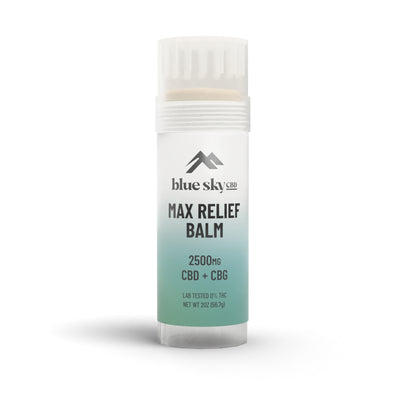
For focal neuropathic pain (feet/hands) , a trial of topical CBD (third-party-tested, known concentration) is reasonable as an adjunct , given one positive RCT and low systemic exposure—while recognizing contradictory CIPN pilot data.
For systemic/oral CBD , current neuropathy trials do not provide reliable benefit ; if tried, use short, monitored trials , avoid high chronic doses without labs, and review interactions .
Where legal and clinically appropriate, some THC-containing formulations (e.g., THC+CBD oromucosal or inhaled) have stronger acute analgesic signals , but they carry psychoactive effects and MOH/overuse concerns; use only with clinician guidance.
Bottom line: Early human data suggest topical CBD may help localized peripheral neuropathic pain, while CBD-only systemic use lacks robust evidence. Larger, longer, CBD-focused RCTs are needed to define who benefits, optimal dose/route, and long-term safety.