What is CIRS?
Chronic Inflammatory Response Syndrome (CIRS) is described as a multisystem, multisymptom illness that can follow exposure to water-damaged buildings (WDB) and other biotoxins (e.g., cyanobacteria, ciguatoxins). Proposed mechanisms center on innate immune dysregulation with persistent inflammation affecting the nervous, immune, vascular, endocrine, and respiratory systems. Reported features include fatigue, cognitive dysfunction (“brain fog”), headaches, sleep disturbance, pain, dyspnea, thermoregulation changes, and more. Research has explored biomarkers (e.g., C4a, TGF-β1, MMP-9, VEGF, VIP/MSH), visual contrast sensitivity (VCS), and even structural brain differences in exposed cohorts, though diagnostic criteria and clinical adoption remain debated.
Environmental literature documents that WDB air may contain complex microbial mixtures (molds, mycotoxins, bacteria, endotoxins), with animal and human data linking certain exposures to neuroinflammation, immune activation, and symptom clusters seen in susceptible individuals.
What the research says: Evidence for CBD & CIRS
Meta-analyses & reviews
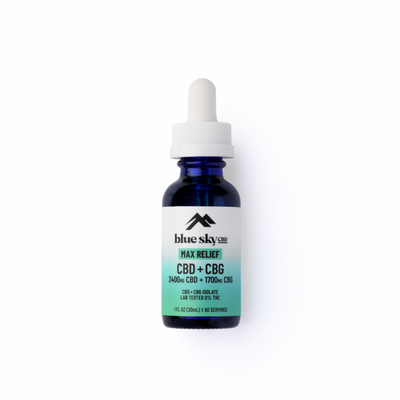
There are no published randomized clinical trials testing cannabidiol (CBD) specifically for CIRS as of 2025. Most CIRS papers address exposure, pathophysiology, and non-CBD interventions. By contrast, CBD literature supports general anti-inflammatory and neuroimmune-modulatory actions (e.g., NLRP3 inflammasome, NF-κB, microglia), which are theoretically relevant to CIRS biology but not yet validated in CIRS populations.
Clinical / human trials
- None found (no RCTs or prospective trials directly in CIRS). This is a key evidence gap. (Search synthesis based on sources above.) — CIRS-targeted CBD trials. | Reported finding
- Anxiety: CBD shows anxiolytic signals in meta-analyses and trials (300–600 mg/day in several studies; effects vary). Arthritis pain: Topical CBD improved pain/disability in thumb basal-joint OA (2-week RCT), while oral CBD (20–30 mg/day in hand OA/PsA; 600 mg/day in knee OA with acetaminophen) failed to outperform placebo and had more AEs/LFT elevations at high oral dose. Neuroinflammation (preclinical models): CBD reduced systemic immune activation and microglial inflammasome signaling in experimental settings (not CIRS) — symptom-domain trials that may be indirectly relevant. | RCT · Topical 300–600 mg/day
Dose-response & dosing
Because no CIRS-specific dosing data exist, dosing is extrapolated from other conditions:
Topical/transdermal CBD (local joints/soft tissue): positive signals in small OA trials ; may offer local symptom relief with minimal systemic exposure.
Oral CBD : anxiety studies often use 300–600 mg/day ; pain trials in arthritis show inconsistent or negative results and more AEs at higher doses. No validated regimen for CIRS.
Proposed mechanisms
How might CBD intersect with proposed CIRS biology?
Inflammasome/NLRP3 modulation : CBD can inhibit NLRP3 activation and IL-1β release (preclinical/immune-cell data), aligning with innate immune pathways implicated in CIRS.
NF-κB / redox signaling : CBD reduces NF-κB–driven cytokines (e.g., TNF-α, IL-6, IL-1β) and enhances Nrf2 antioxidant responses—potentially countering chronic inflammatory signaling.
Microglia & neuroimmune effects : CBD attenuates microglial activation and nitric-oxide/inflammasome activity in brain-immune models—mechanisms often discussed in CIRS-related neuroinflammation.
TRP/5-HT1A, PPAR-γ : Additional targets that may influence pain perception, autonomic symptoms, and inflammatory tone; relevance to CIRS remains hypothesis-generating .
Safety, tolerability, and side effects
CBD is generally well tolerated, but route and dose matter. High-dose oral CBD (600 mg/day) in knee OA increased adverse events and liver enzyme elevations, particularly alongside acetaminophen. Common effects include fatigue, somnolence, GI upset, dry mouth.
Drug interactions: CBD can inhibit CYP3A4/CYP2C19, potentially affecting anticoagulants, antiepileptics, immunosuppressants, and other drugs often used by complex, multi-medication patients.
Limitations & uncertainties
Diagnostic controversy : CIRS definitions, testing panels, and case definitions are not uniformly accepted ; payer and policy reviews call evidence insufficient/uncertain for standardized coverage. (Context for clinical caution.) PDF policy AmeriHealth
No CIRS-specific CBD RCTs ; extrapolating from other conditions risks misapplication .
Heterogeneity : CIRS cohorts, exposures, and outcome measures vary; placebo response is substantial in symptom trials.
Product variability : Potency, purity, and formulation differences complicate translation.
What seems plausible & advisable now
Foundational step : In suspected CIRS, prioritize exposure identification/remediation and evidence-based care for comorbidities under clinician guidance; CBD should not replace environmental and medical management.
Adjunctive symptom support (pragmatic, low-risk options): Topical/transdermal CBD for localized musculoskeletal pain (e.g., hands, knees) has the best early evidence among CBD routes, with low systemic exposure. Oral CBD for anxiety/sleep may help select patients, but dosing is individualized and high doses raise AE/interaction risks; no CIRS-specific proof .
Safety checks : Use third-party-tested products , review drug interactions , and consider LFT monitoring if using sustained moderate/high oral doses or concurrent acetaminophen .
Bottom line: There is currently no direct clinical evidence that CBD treats CIRS itself. CBD’s anti-inflammatory and neuroimmune actions are biologically plausible and may offer adjunctive symptom relief (especially with topical use for focal pain), but well-designed CIRS-specific trials are needed to define who benefits, optimal dose/route, and long-term safety.